

How the Toyota Hybrid System Works: A Beginner’s Guide
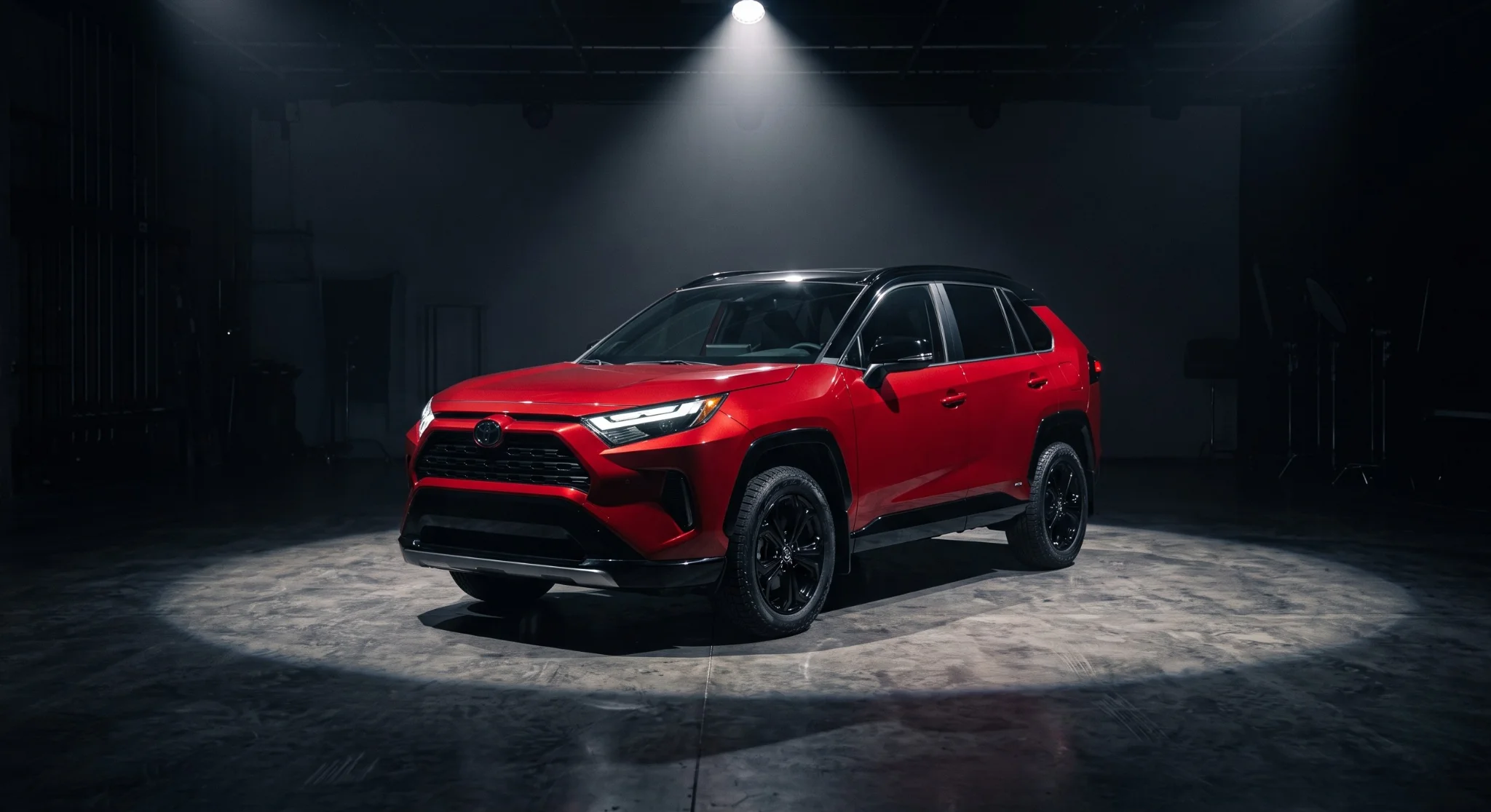
The Toyota Hybrid System — the fifth-generation THS, paired with the 2026 Prius — is a sophisticated series-parallel full hybrid designed to maximize fuel efficiency without sacrificing drivability. Unlike mild hybrids that only assist a gasoline engine, this full-hybrid architecture lets the vehicle run on the gasoline engine alone, on electric power alone, or on a seamless combination of both. By constantly balancing these sources, the system optimizes efficiency and recaptures energy normally lost during braking.
At the heart of the system are two electric motor-generators — MG1 and MG2 — working with an efficient Atkinson-cycle gasoline engine:
- MG1 — acts primarily as the engine starter and generator, converting engine power into electricity to charge the hybrid battery or feed MG2.
- MG2 — the primary drive motor that propels the vehicle with instant torque from a stop, and doubles as the regenerative braking generator, capturing kinetic energy during coasting and braking and routing it back to the battery.
Toyota builds this technology into hybrids like the Prius. If you’d like to experience it firsthand, our team is ready to help you find the hybrid that fits your driving.
The Power-Split Device, Explained Simply
At the center of the Toyota Hybrid System is the power-split device — a single, compact planetary gear set that replaces the traditional gearbox, torque converter, and clutches entirely. It physically links the gasoline engine, MG1, and MG2 so they operate in harmony.
A planetary gear set has three parts, and each connects to one part of the hybrid system:
| Planetary component | Connected to | Role |
|---|---|---|
| Sun gear | MG1 | Varying MG1’s speed continuously changes the effective drive ratio |
| Planet carrier | Gasoline engine | Feeds engine power into the split |
| Ring gear | MG2 (via reduction gears) → wheels | Delivers drive to the wheels |
By continuously adjusting MG1’s rotational speed, the system infinitely varies the ratio between engine and wheels — acting as an electronic transmission with no physical gear shifts. Because no clutches engage or disengage, the transition between electric and gasoline power is virtually imperceptible. The system recalculates the optimal power split many times per second, keeping the right balance of torque and efficiency.
This mechanical simplicity is a big reason Toyota hybrids are known for long-term reliability — a benefit you’ll find across both new models and our selection of pre-owned Toyota hybrids.
Engine & Performance by Trim (2026 Prius)
| Spec | LE | XLE | Nightshade | Limited |
|---|---|---|---|---|
| Engine | 2.0L 4-cyl hybrid | 2.0L 4-cyl hybrid | 2.0L 4-cyl hybrid | 2.0L 4-cyl hybrid |
| Horsepower | 194 hp | 194 hp | 194 hp | 194 hp |
| Transmission | eCVT | eCVT | eCVT | eCVT |
| Drivetrain | FWD (AWD available) | FWD (AWD available) | FWD (AWD available) | FWD (AWD available) |
All-wheel-drive models produce 196 combined horsepower.
Why the Toyota eCVT Isn’t a Belt-Driven CVT
The term “eCVT” (electronic continuously variable transmission) confuses shoppers because the letters “CVT” suggest the belt-and-pulley transmissions found in many conventional cars. Toyota’s eCVT is mechanically different and shares no components with a belt-driven CVT.
Here’s how they differ:
- Traditional CVT — uses a high-tension steel belt or chain running between two cone-shaped pulleys. Efficient, but the belt can wear the pulleys over time and may produce a “droning” sensation under hard acceleration.
- Toyota eCVT — has no belts, no pulleys, and no friction bands. It’s a meshed planetary gear unit that regulates power electronically through MG1 and MG2.
Because the system uses the two motor-generators to manage engine speed, there are very few wear components, and hard acceleration produces smooth, linear power delivery.
Battery Technology and Warranty Protection
The 2026 Prius (front-wheel drive) uses a compact lithium-ion battery that tucks neatly beneath the rear seats, helping preserve cargo space and a low center of gravity. It’s worth noting that Toyota uses both lithium-ion and nickel-metal hydride (NiMH) chemistries across its broader hybrid lineup — NiMH still appears in models like the AWD Prius, chosen for its durability in temperature extremes.
Whatever the chemistry, Toyota backs its hybrid batteries with strong coverage:
| Coverage | Term |
|---|---|
| Hybrid battery | 10 years / 150,000 miles (transferable) |
| Other hybrid components (control modules, inverter/converter) | 8 years / 100,000 miles |
| Basic (new-vehicle limited) | 3 years / 36,000 miles |
| Powertrain | 5 years / 60,000 miles |
| ToyotaCare scheduled maintenance | 2 years / 25,000 miles |
| ToyotaCare roadside assistance | 2 years / unlimited miles |
The transferable hybrid-battery warranty also helps preserve resale value. If a component ever needs attention, Tustin Toyota’s factory-trained technicians use specialized diagnostic equipment and genuine OEM parts.
This information is provided for general educational purposes only and does not constitute legal advice. Warranty coverage depends on the specific terms of your vehicle’s warranty agreement. Consult your owner’s manual or a qualified legal professional for guidance on your individual situation.
Hybrid vs. Electric: Which Fits Your Life?
Choosing between a hybrid and a full EV comes down to your driving habits and charging access:
- A full EV suits you if you have a short daily commute, can charge overnight at home, and want zero tailpipe emissions.
- A hybrid suits you if you want electric-drive efficiency around town with no range anxiety — refuel at any station in minutes, no charging setup required.
Many Toyota models are now hybrid-only, making strong efficiency the standard rather than an upgrade. The 2026 Prius is a strong example, delivering class-leading fuel economy across the lineup:
Fuel Economy by Trim (2026 Prius, FWD)
| Trim | EPA-Estimated MPG (city / hwy / combined) |
|---|---|
| LE | 57 / 56 / 57 |
| XLE | 52 / 52 / 52 |
| Nightshade | 52 / 52 / 52 |
| Limited | 52 / 52 / 52 |
EPA-estimated fuel economy figures are for comparison purposes only. Your actual mileage will vary depending on driving conditions, how you drive and maintain your vehicle, battery age/condition, and other factors.
Maintenance Realities for Toyota Hybrids
A common myth is that hybrids are costlier to maintain than gas cars. In practice, the opposite is often true, largely because regenerative braking does much of the slowing work:
- Brakes — because regenerative braking reduces friction and heat, brake pads and rotors typically last considerably longer than on a conventional vehicle.
- Engine wear — the gasoline engine shuts off when coasting, stopped, or driving on electric power, so it accumulates fewer running hours than the odometer suggests.
- Oil changes — follow the standard schedule.
- Spark plugs — on the Prius, replacement comes at the 120,000-mile major service interval.
The 2026 Prius pairs a durable, non-turbocharged 2.0L four-cylinder hybrid engine (194 hp) with an eCVT, a simple design that keeps long-term maintenance costs low.
Quick Answers Before You Visit
How does the hybrid system charge its battery?
A Toyota hybrid (HEV) is self-charging and never needs to be plugged in. It captures energy during deceleration through regenerative braking and uses the gasoline engine to spin MG1 as a generator, keeping the hybrid battery charged as you drive.
What happens if the hybrid battery has an issue while driving?
The system is designed with multiple layers of redundancy. If the high-voltage battery has a problem, the vehicle typically enters a reduced-power “limp-home” mode using the gasoline engine, letting you safely pull over or drive to a service center for diagnostics.
Is roadside assistance included with a new Toyota hybrid?
Yes. Every new Toyota includes ToyotaCare with 2 years of roadside assistance and unlimited mileage. You can also reach Toyota Roadside Assistance directly at 1-800-331-4331.
Does the hybrid system perform well in hot weather?
Yes. Toyota’s lithium-ion packs use thermal management to hold an optimal operating temperature, so you can expect consistent hybrid performance across the seasons.
Experience Toyota Hybrid Technology at Tustin Toyota
Understanding the engineering behind the Toyota Hybrid System is one thing — experiencing its seamless power transitions and quiet cabin is another. Whether you want to maximize your commute, reduce your footprint, or simply enjoy a reliable vehicle with low long-term maintenance, our team can help you find the right fit.
We’re located at 36 Auto Center Dr, Tustin, CA 92782, an easy drive for shoppers across Orange County. Explore our new and pre-owned hybrid inventory online and find your match.
Pricing, offers, and availability are subject to change. Contact the dealership for current details.
Disclaimers
All-wheel-drive models produce 196 combined horsepower.
This information is provided for general educational purposes only and does not constitute legal advice. Warranty coverage depends on the specific terms of your vehicle’s warranty agreement. Consult your owner’s manual or a qualified legal professional for guidance on your individual situation.
EPA-estimated fuel economy figures are for comparison purposes only. Your actual mileage will vary depending on driving conditions, how you drive and maintain your vehicle, battery age/condition, and other factors.
Pricing, offers, and availability are subject to change. Contact the dealership for current details.
0 comment(s) so far on How the Toyota Hybrid System Works: A Beginner’s Guide